











Best European Cities for E-Bike Commuting
Compare Amsterdam, Copenhagen, Paris and Berlin to find the best European city for e-bike commuting, based on cycling infrastructure, routes and daily riding.


Compare Amsterdam, Copenhagen, Paris and Berlin to find the best European city for e-bike commuting, based on cycling infrastructure, routes and daily riding.
Amsterdam and Copenhagen are strong choices for established cycling infrastructure, while Paris is rapidly expanding its cycling network and Berlin can work well for longer city commutes. The best city depends on your route, distance, bike parking, traffic, and public transit.
This guide compares four major European cycling cities and looks at what each one offers e-bike commuters.
If you're considering an ebike with GPS, remember that the bike is only part of the decision. Your daily route and riding conditions matter just as much.
| City | Best For | Main Strength | What to Consider |
|---|---|---|---|
| Amsterdam | Everyday cycling | Mature cycling network | Heavy bike traffic and parking |
| Copenhagen | Protected routes | Connected cycling infrastructure | Weather and longer rides |
| Paris | Short and medium trips | Growing cycling network | Busy streets and traffic |
| Berlin | Longer commutes | Large urban area | Infrastructure varies by area |
There is no single winner. Amsterdam suits riders who want a mature cycling environment. Copenhagen is a strong choice for protected routes. Paris is changing quickly, while Berlin can suit longer urban journeys.

Look beyond the number of bike lanes. A good e-bike commute usually depends on protected and connected routes, traffic levels, secure bike parking, public transit, and distance. Flat routes can make everyday riding easier, while longer or hillier trips are where electric assistance can be especially useful.
Amsterdam is one of Europe's best-known cycling cities. Cycling is part of everyday transport, not just weekend recreation. The 2025 Copenhagenize Index ranks Amsterdam fourth overall and reports that cycling accounts for around 37% of trips in the city.
The city has an extensive network of protected cycling routes and traffic-calmed streets. The same index reports nearly 560 km of protected cycle tracks within Amsterdam's city limits.
Why it works: Flat terrain, extensive infrastructure, and a strong cycling culture.
Watch out for: Busy bike paths and high demand for bike parking, especially in central areas.
Copenhagen has built cycling into its everyday transport system. The 2025 Copenhagenize Index ranks it second overall and reports 52 km of protected bicycle tracks for every 100 km of roadway.
Bicycles account for around 29% of all trips in the city, showing how deeply cycling is built into daily life.
Why it works: Protected routes, connected infrastructure, and a strong cycling culture.
Watch out for: Weather and longer commutes, where range and comfort become more important.
Paris has changed significantly as a cycling city. Cycling is now a much more visible part of everyday transportation, and the city continues to expand its cycling network.
The 2025 Copenhagenize Index ranks Paris fifth overall, while City of Paris data shows continued growth in cycling traffic across its monitored network.
Why it works: Growing infrastructure, increasing bike use, and strong public transit connections.
Watch out for: Busy streets and intersections. A protected route may be better than the shortest route.
Berlin covers a large area, so some daily trips can be much longer than those in more compact cycling cities. This is where an e-bike can make a noticeable difference.
Cycling infrastructure varies between neighborhoods, so route planning matters. The fastest route is not always the most comfortable one.
Why it works: Large urban area, longer commuting options, and good public transit connections.
Watch out for: Infrastructure gaps between different parts of the city.

| City | Infrastructure | Best Commuting Scenario | Key Consideration |
|---|---|---|---|
| Amsterdam | Highly established | Daily commuting | Busy bike routes |
| Copenhagen | Highly protected | Regular city routes | Weather |
| Paris | Rapidly expanding | Short and medium trips | Traffic |
| Berlin | Varies by area | Longer commutes | Route planning |
The right e-bike depends on how you use it. For short trips, easy handling and storage may matter most. For longer commutes, range, comfort, tires, and motor assistance become more important.
If you need to carry your bike upstairs, into an office, or onto public transit, weight also matters. Riders comparing the lightest electric bike options should look at the whole bike, not just the number on the scale.
An ebike with GPS can be useful for connected urban riding, but basic factors such as range, comfort, braking, and handling should come first.
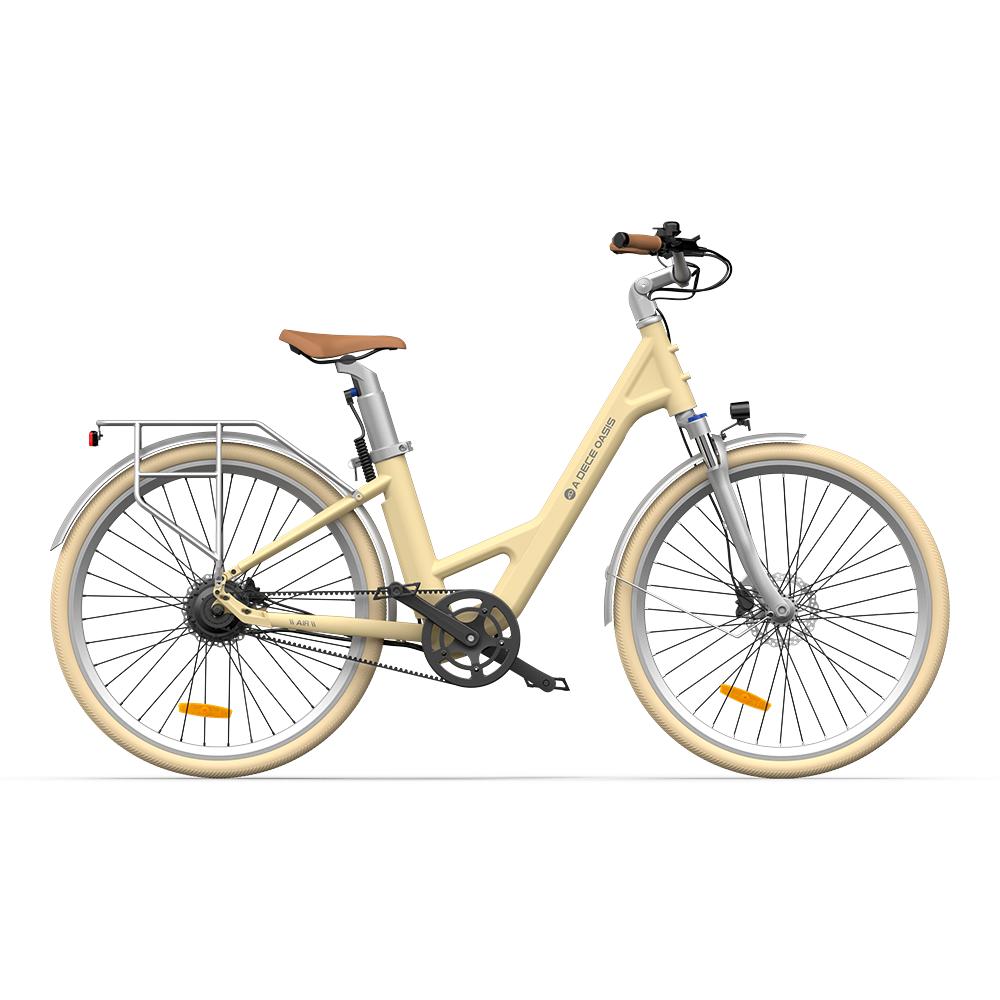
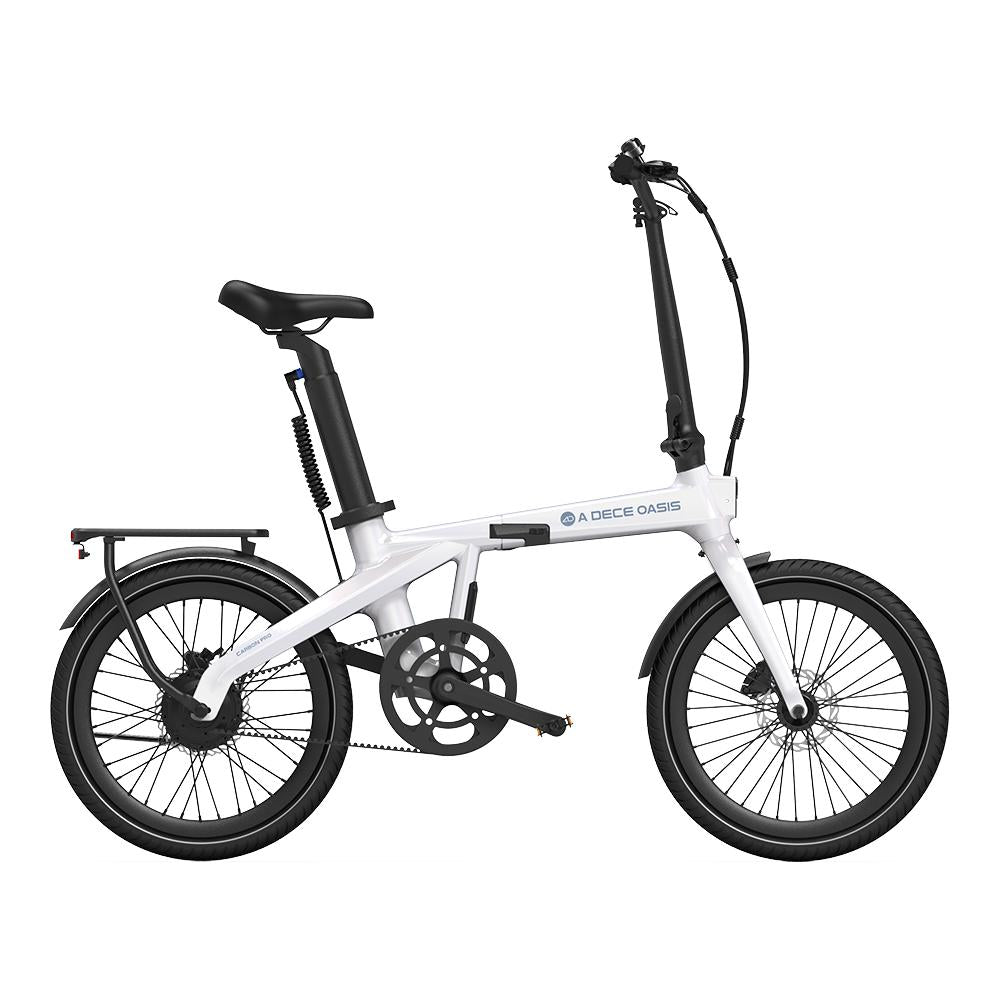
The ADO Air Carbon Pro is one example of a lighter e-bike designed around urban riding, with a carbon frame and integrated technology.
The best smart ebike is not necessarily the one with the most features. It is the one that fits your route, distance, storage, and daily routine.
Amsterdam and Copenhagen are strong choices for established cycling infrastructure. Paris is expanding quickly, while Berlin can suit longer urban commutes.
Yes. Its flat terrain, mature cycling network, and strong cycling culture make Amsterdam well suited to everyday e-bike commuting.
Yes. Copenhagen has extensive protected cycling infrastructure and a strong cycling culture. Electric assistance can be useful for longer routes.
It can be. Berlin's large urban area creates many longer commuting routes, although cycling infrastructure varies between neighborhoods.
Amsterdam, Copenhagen, Paris, and Berlin each offer a different e-bike commuting experience. Instead of asking which city ranks first, look at your own route, distance, parking, public transit, and riding conditions. The best city is the one that fits the way you actually travel.

Subscribe for current offers, exclusive deals and news
Votre panier est actuellement vide.
Commencer vos achats