











E-Bike Subsidies and Incentives in Europe
A practical guide to e-bike subsidies and incentives across Germany, France, and other European countries, helping riders reduce purchase costs and support sustainable mobility.

A practical guide to e-bike subsidies and incentives across Germany, France, and other European countries, helping riders reduce purchase costs and support sustainable mobility.
As European countries continue investing in sustainable transportation and carbon reduction goals, e-bike subsidies and incentive programs have become increasingly common. For consumers considering an e-bike purchase, understanding available financial support can significantly reduce ownership costs.
This guide explores popular e-bike incentives in Germany, France, and other EU countries.
Many European cities are facing growing transportation challenges:
Compared with cars, e-bikes offer several advantages:
As a result, governments across Europe have introduced programs to encourage cycling and e-bike adoption.
At the same time, cycling culture continues to expand beyond commuting. Trends such as fiets dating events and cycling-focused social activities have further contributed to the popularity of bike-based transportation.

Germany remains one of Europe's largest e-bike markets.
While there is no nationwide purchase subsidy for all consumers, many local governments and employers offer support programs.
Before applying, consumers should review:
For riders transitioning from a singlespeed fahrrad, these programs can make upgrading to an e-bike more affordable.

France offers some of Europe's most recognized e-bike support programs.
Common incentives include:
Although direct purchase subsidies are limited, riders benefit from:
Popular incentives include:
Austria supports sustainable mobility through:
Because subsidy programs frequently change, riders should always check official local government sources before purchasing.
Beyond price, many buyers now focus on:
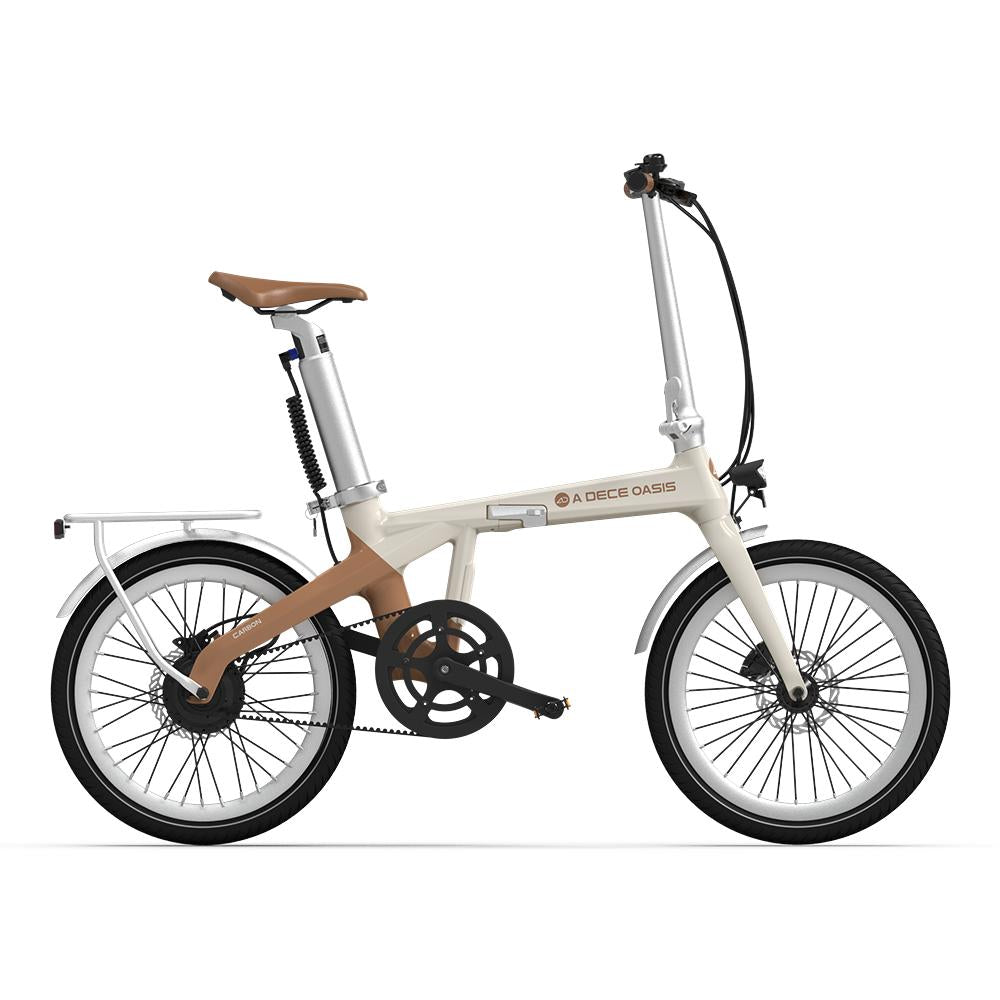
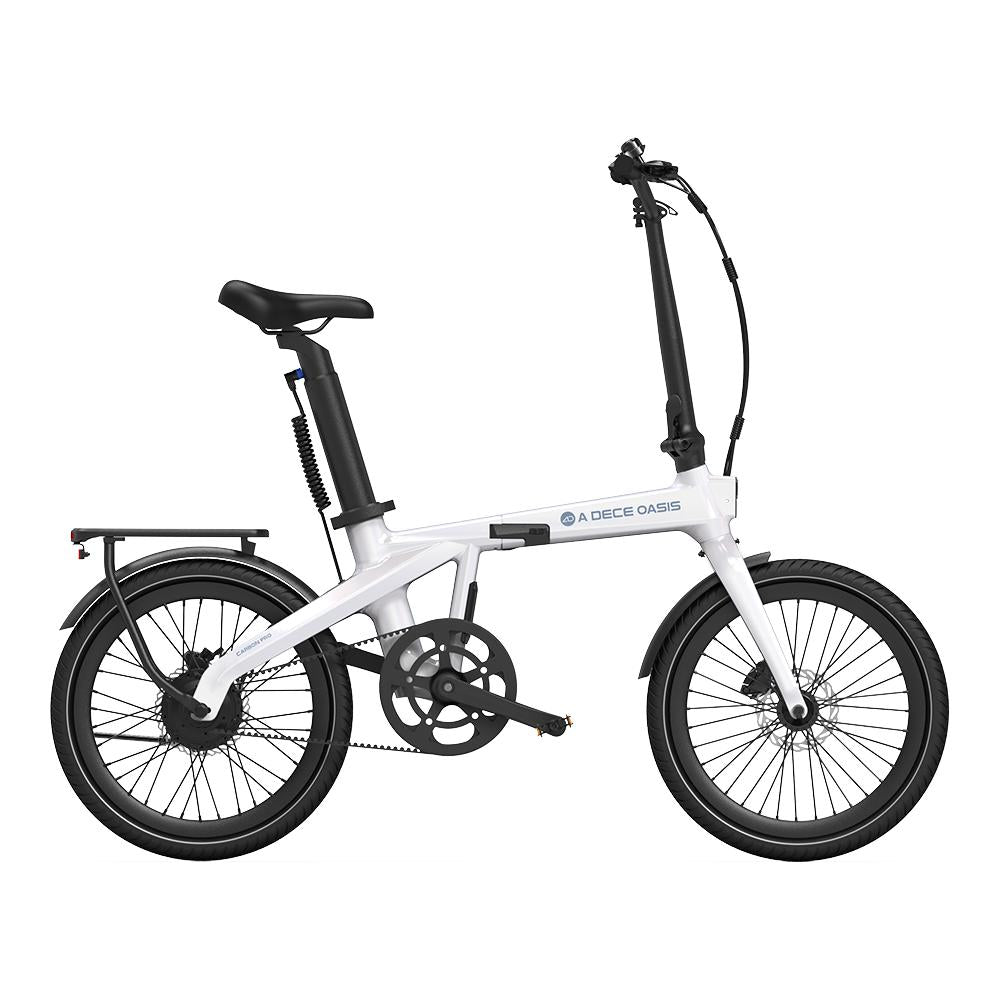
As a result, the lightest folding ebike category continues to gain popularity throughout European cities.
Key benefits often include:
Lightweight carbon-fiber models such as the ADO Air Carbon reflect the growing demand for portability and efficient urban mobility solutions.

As Europe continues investing in sustainable transportation:
For consumers, taking advantage of available subsidies can make e-bike ownership more affordable while supporting a more flexible and environmentally friendly lifestyle.

Subscribe for current offers, exclusive deals and news
Your cart is currently empty.
Start Shopping