











What Is a Torque Sensor and Why Does It Matter on an E-Bike?
A torque sensor helps an e-bike respond to how hard you pedal, creating a closer connection between rider effort and motor assistance.

A torque sensor helps an e-bike respond to how hard you pedal, creating a closer connection between rider effort and motor assistance.
Have you ever wondered why some e-bikes feel more natural to ride than others? One important factor is the way the bike detects your pedalling effort. A torque sensor measures how much force you apply to the pedals and helps the motor adjust its assistance accordingly.
For everyday riders, this can make a noticeable difference, particularly when starting, climbing or changing speed.
A torque sensor detects the force applied through the pedals. When you pedal harder, the system can respond with more assistance. When you reduce your effort, assistance can decrease.
This is different from simply providing a fixed level of motor support. Instead, the assistance is more closely connected to what the rider is doing.
For example:
The result can be a more predictable connection between your own effort and the motor's assistance.
A powerful motor does not automatically mean a better riding experience. How quickly and smoothly assistance responds can be just as important.
A well-integrated system combines the sensor input, motor and control system so that assistance does not feel unnecessarily abrupt or disconnected from your pedalling.
This is particularly useful on a folding electric bike, which is often used in busy urban environments where riders regularly start, stop and change speed.
A torque sensor is only one part of an e-bike's control system. The motor, controller, drivetrain and ebike display all contribute to how the rider interacts with the bike.
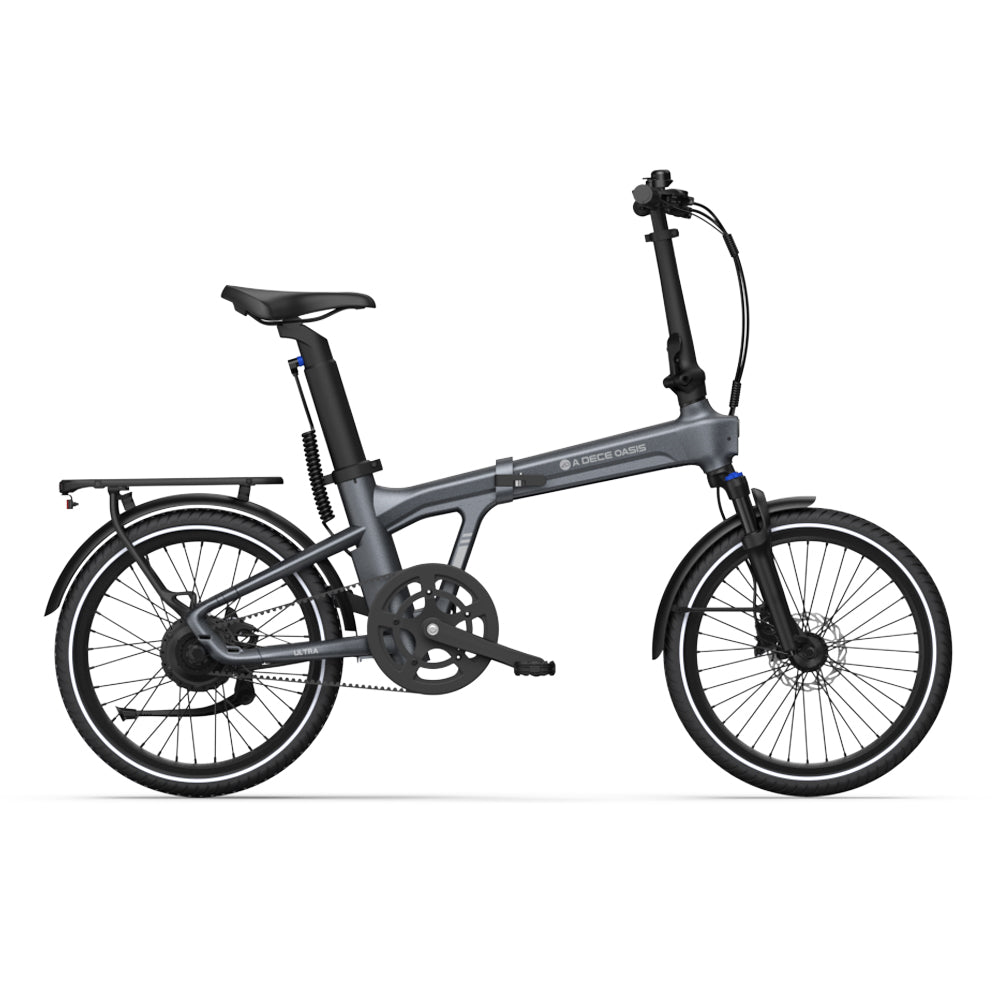
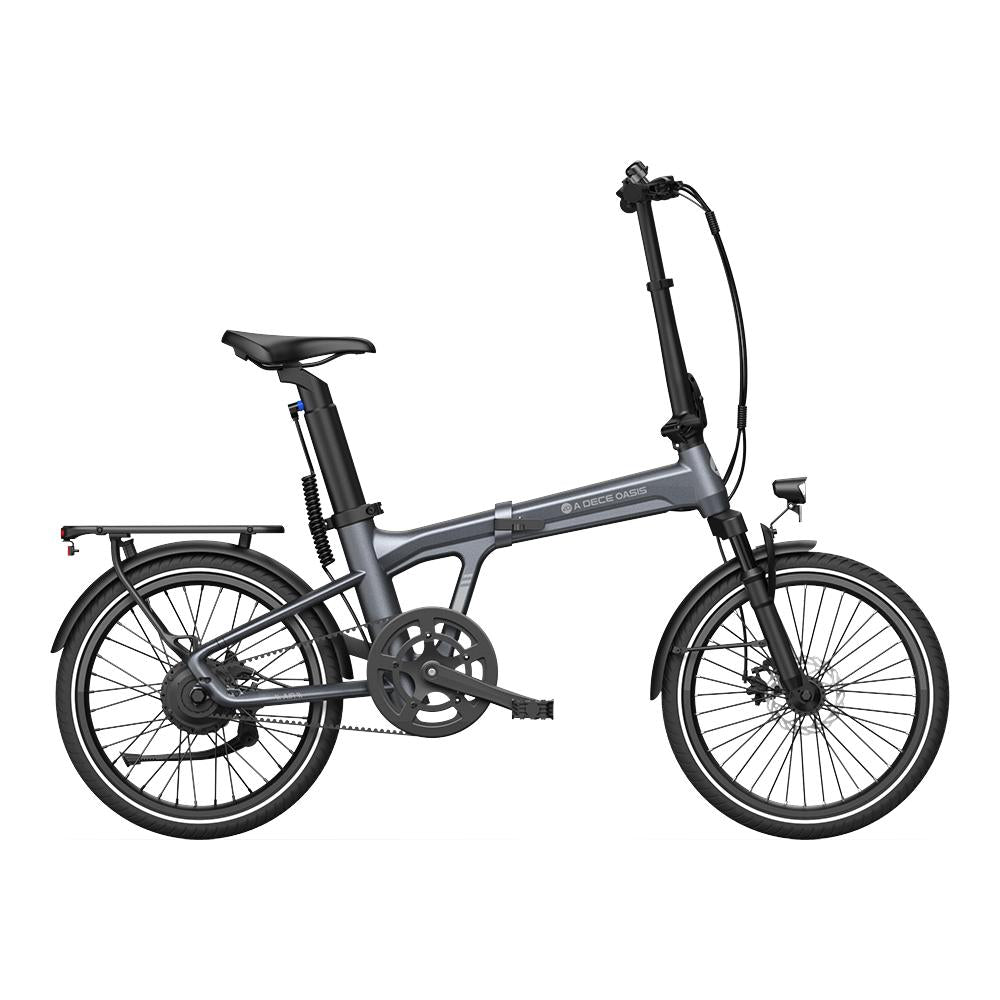
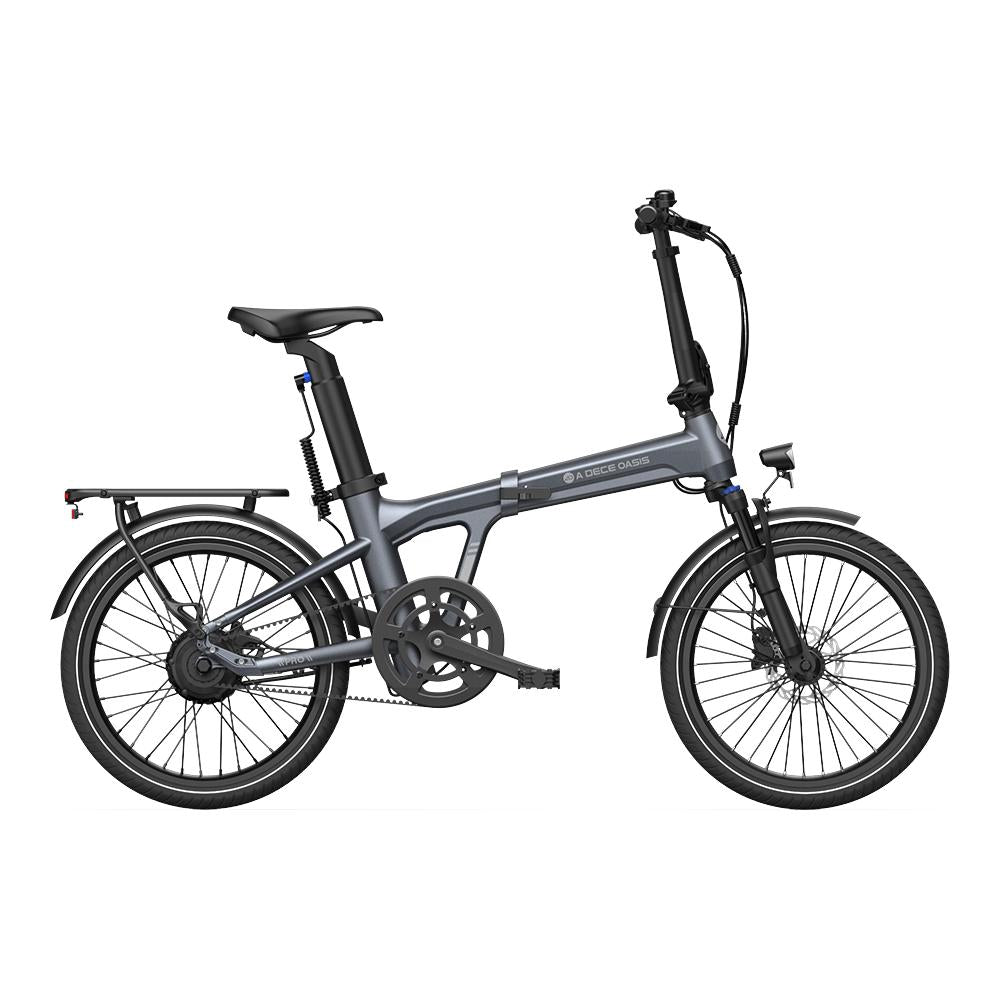
The ADO Air 20 Ultra 2026 provides a practical example. It uses a dual-sided torque sensor together with a BAFANG H730 motor and automatic three-speed shifting. Its system is designed to coordinate rider input, motor assistance and gear selection rather than treating each function separately.
The bike also features a 2.4-inch IPS display, NFC activation and other connected functions, illustrating how a smart folding ebike can combine multiple technologies around everyday riding.
A torque sensor can be particularly useful if you want an e-bike that responds closely to your own pedalling.
When comparing models, look beyond motor power alone. Consider:
Ultimately, the goal is not simply to have more assistance. It is to have the right amount of assistance at the right moment, so the bike feels like it is working with you rather than simply pushing you forward.

Subscribe for current offers, exclusive deals and news
Uw winkelwagen is momenteel leeg.
Begin met winkelen