









How Often Should You Service an E-Bike?
Learn how often to service an e-bike and when to check its tyres, brakes, battery and drivetrain for safe, reliable riding.


Learn how often to service an e-bike and when to check its tyres, brakes, battery and drivetrain for safe, reliable riding.
For most riders, an e-bike should receive basic checks before or after regular rides, component checks every few weeks, and a professional inspection at least once a year. However, there is no single maintenance schedule that suits every rider. Daily commuting, wet weather, rough roads, long-distance riding and heavy loads can all increase component wear.
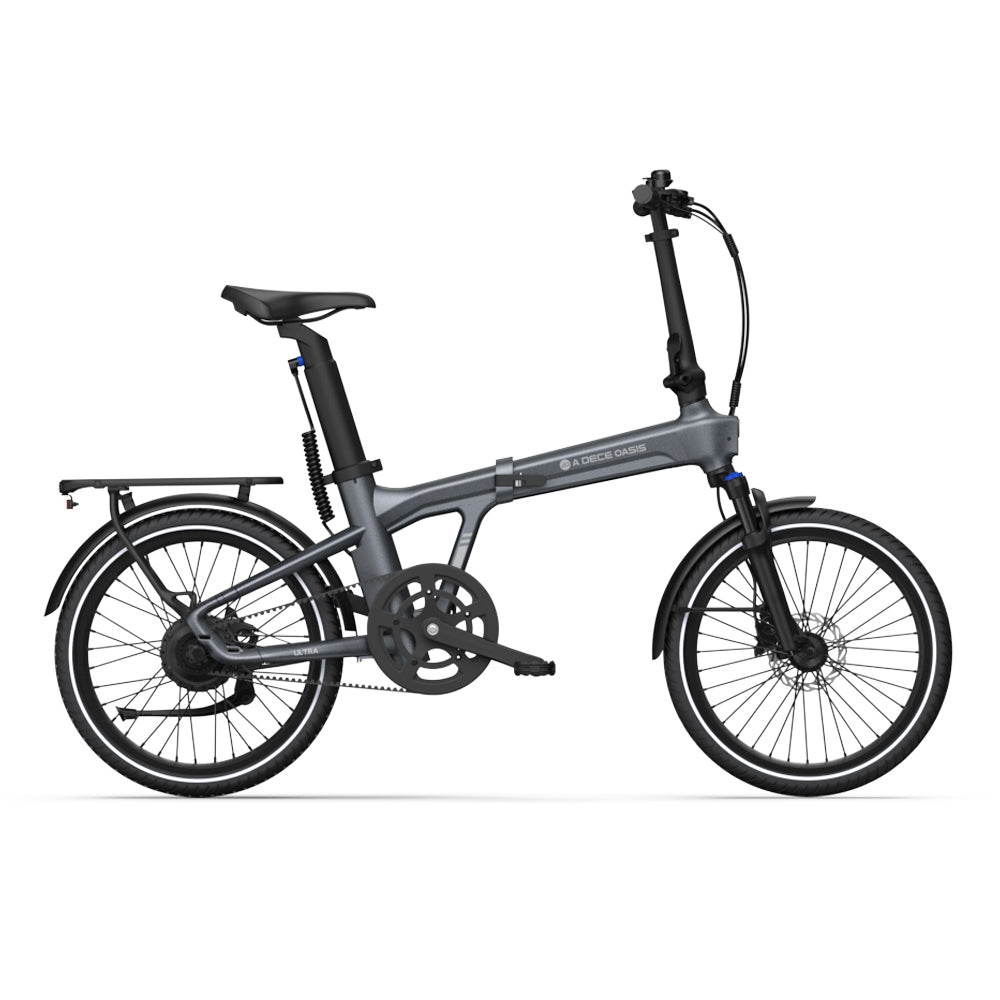
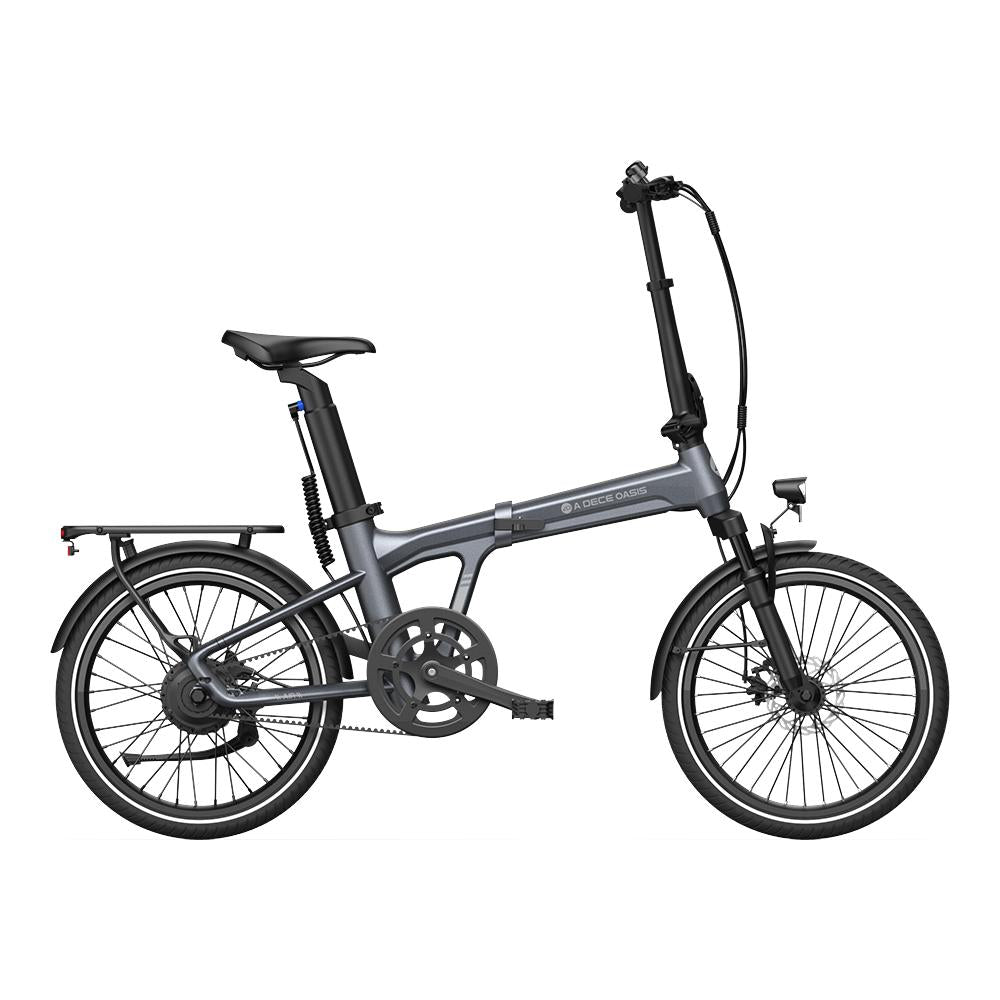
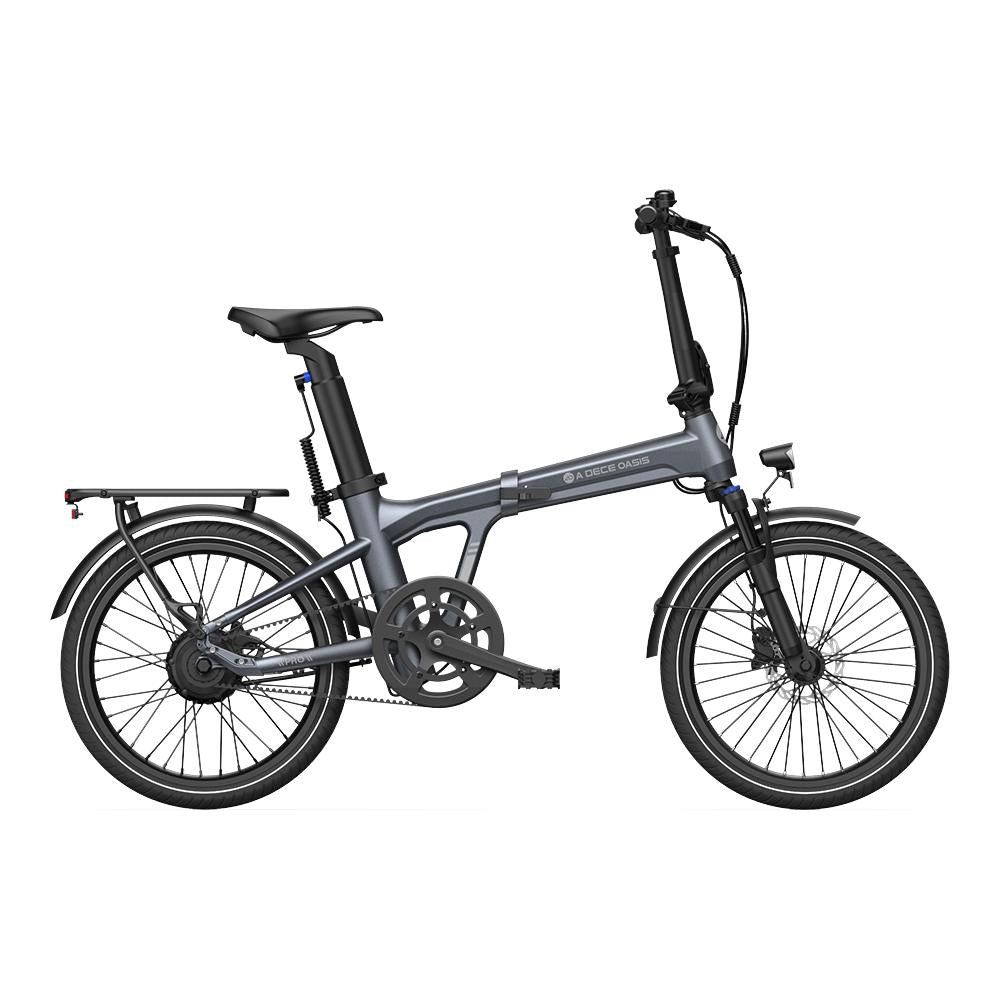
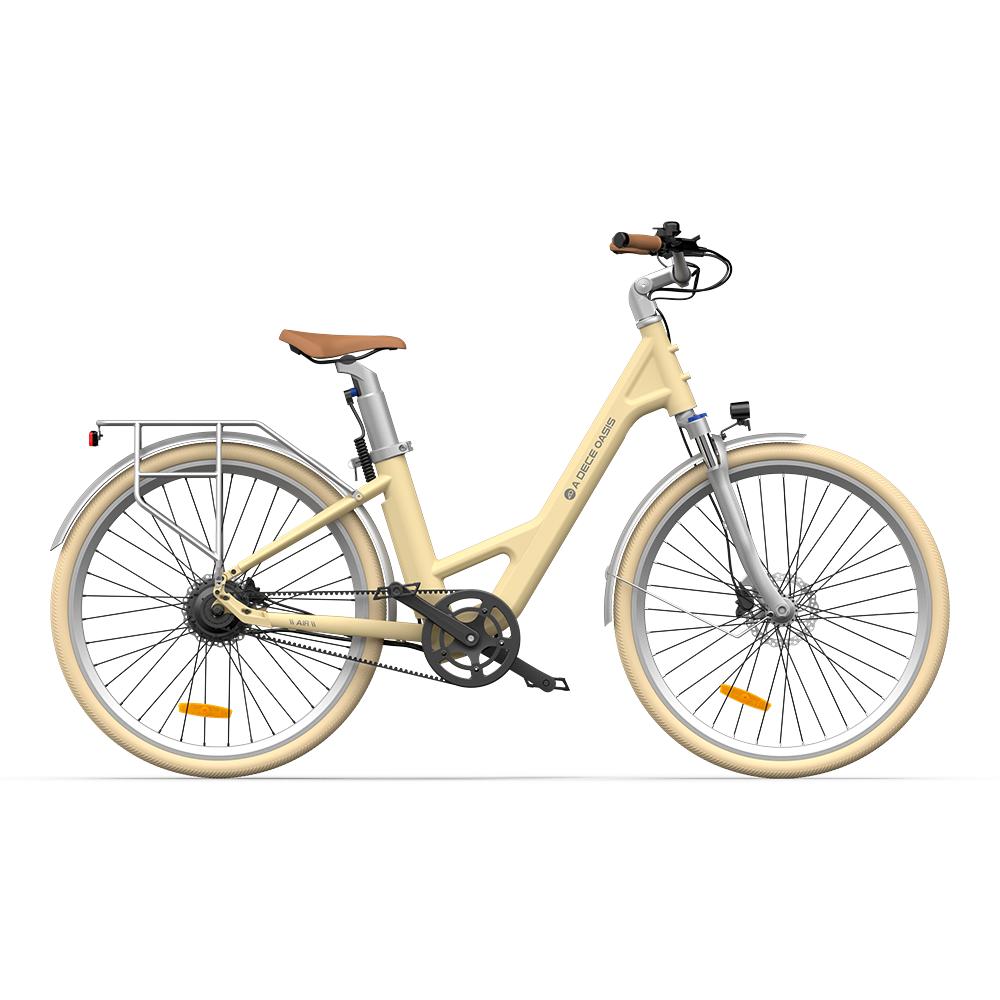
Whether you ride a folding commuter, a city ebike, or an ebike with GPS, matching maintenance to how and where you ride can help keep your e-bike safe, comfortable and reliable for longer.
A simple maintenance schedule makes it easier to identify small problems before they become more expensive repairs.
| Component | How Often | What to Check |
|---|---|---|
| Tyres | Every 1–2 weeks | Pressure, tread, cracks and damage |
| Brakes | Every few weeks | Brake power, pad wear and unusual noise |
| Chain / Belt | Every few weeks | Dirt, wear, tension and unusual movement |
| Battery | Regularly | Physical damage and charging behaviour |
| Lights & Electronics | Monthly | Connections, lights and system errors |
| Full Service | Once a year | Complete safety and component inspection |
This schedule works well as a general guide for urban riders across Europe. If you commute every day, regularly ride in wet conditions, carry heavy loads or cover high weekly mileage, your e-bike may need more frequent checks.

Tyres and brakes have a direct effect on handling and stopping distance, so they deserve some of the most frequent attention.
Check tyre pressure every 1–2 weeks, or before any longer ride. The exact pressure should always follow the tyre or e-bike manufacturer's recommended range.
Look for:
Low or uneven tyre pressure.
Cuts, cracks or damaged rubber.
Excessive or uneven tread wear.
Glass, stones or other objects embedded in the tyre.
Damage around the sidewalls.
Correct tyre pressure can improve grip, riding comfort and rolling efficiency, particularly when riding on European city streets and cycle paths.
Inspect your brakes every few weeks, especially if you use your e-bike for daily commuting.
Pay attention to:
Reduced braking power.
A longer stopping distance.
Squeaking, grinding or other unusual sounds.
Excessive brake lever travel.
Uneven or heavily worn brake pads.
If braking performance changes noticeably or suddenly, have the braking system inspected rather than waiting for the next scheduled service.

Maintenance is not only about how old your e-bike is. How, where and how often you ride can have an even greater effect on component wear.
Riders who use an e-bike every day will generally put more wear on tyres, brakes and drivetrain components than occasional riders. Frequent commuters should carry out basic checks more often.
Rain, road grit and mud can increase wear on brake components, chains and other moving parts. If you regularly ride in wet weather, clean and inspect the affected components more frequently.
Weekly mileage is another useful factor when deciding when to service an e-bike. A rider covering 100 km every week will naturally put more wear on tyres, brakes and drivetrain components than someone riding 20 km a week.
Carrying shopping, luggage or other heavy loads can place additional stress on tyres, wheels and brakes. Riders who regularly carry heavier loads should pay closer attention to these components.
An e-bike battery does not normally need the same type of scheduled mechanical servicing as tyres or brakes. Instead, its physical condition, charging behaviour and connections should be monitored regularly.
Good battery care habits include:
Use the original or recommended charger.
Keep charging connections clean and dry.
Avoid prolonged exposure to extreme temperatures.
Check the battery for visible damage or swelling.
Follow the manufacturer's charging and storage instructions.
For riders using an ebike with GPS or other connected features, keeping electronic systems updated can help maintain their intended functionality. However, smart features do not replace routine checks of the tyres, brakes, battery and drivetrain.
Electrical components and batteries should not be opened or repaired without the appropriate knowledge. If you notice unusual heating, physical damage, charging problems or persistent electrical faults, seek professional assistance.

The drivetrain includes components such as the chain or belt, gears and other moving parts that transfer power from the motor and rider to the wheels.
Inspect the drivetrain every few weeks and pay particular attention to it after riding through rain, mud or dusty conditions.
Check for:
Dirt buildup.
Rust or corrosion.
Dry, stiff or noisy movement.
Excessive chain wear.
Keeping the chain clean and properly lubricated can help reduce unnecessary wear.
A belt drive generally requires less routine maintenance than a chain, but it should still be inspected for:
Visible cracks or damage.
Incorrect belt tension.
Dirt or debris between the belt teeth.
Abnormal movement or noise.
Keeping the drivetrain clean can help maintain smooth operation and reduce premature component wear.

A simple routine is easier to follow than waiting until a problem appears. You can divide regular maintenance into four stages.
Check tyre pressure.
Test both brakes.
Make sure the lights are working.
Look for obvious damage or loose components.
Inspect tyre condition and tread.
Check brake pad wear.
Clean the drivetrain.
Check visible bolts and key connections.
Inspect electrical connections.
Check wheel condition and alignment.
Examine cables and frame components.
Check for drivetrain wear.
For frequent riders, an annual professional inspection is a sensible baseline. The interval can be shorter if you ride long distances, commute daily, regularly ride in rain, carry heavy loads or use the bike on rough roads.
For example, the ADO Air 30 Ultra uses a 250W motor, hydraulic disc brakes and 700C × 40C tyres. Like any e-bike, these components benefit from regular inspection based on mileage and riding conditions rather than the model alone.
Some problems should not wait until the next scheduled service. Stop riding and seek professional inspection if you notice:
Sudden loss of braking performance.
A badly damaged or excessively worn tyre.
Unusual or persistent motor noises.
Battery damage, swelling or abnormal heating.
Loose or damaged frame, wheel or other structural components.
Persistent electrical faults or system errors.
A smart ebike may provide electronic information or system alerts, but connected features do not replace basic mechanical inspections.

For most riders, once a year is a sensible minimum for a professional inspection. Daily commuters and high-mileage riders may need professional servicing more frequently depending on component wear and riding conditions.
Check tyre pressure every one to two weeks and before longer rides. Always use the pressure range recommended by the tyre or e-bike manufacturer.
Yes. Regular exposure to rain, road grit and mud can increase wear on brakes, chains and other moving parts. Clean and inspect these components more frequently when riding in wet conditions.
Basic tasks such as checking tyre pressure, cleaning the drivetrain and inspecting visible brake wear can usually be carried out at home. Electrical repairs, battery work and hydraulic brake servicing should be handled by a qualified technician unless you have the appropriate technical knowledge.
An annual professional inspection is a useful baseline for frequent riders, but the exact interval depends on mileage, riding conditions, component wear and the manufacturer's recommendations.
The maintenance intervals in this guide are general recommendations for everyday e-bike use. Actual servicing requirements vary according to mileage, weather, terrain, riding habits and component type. Always follow the maintenance, charging and storage recommendations provided by your e-bike and component manufacturers.
If a safety-critical component shows visible damage or its performance changes noticeably, have the bike inspected by a qualified professional before continuing to ride.

Subscribe for current offers, exclusive deals and news
Uw winkelwagen is momenteel leeg.
Begin met winkelen