









Can You Ride an E-Bike on Cycle Paths in Europe?
A practical guide to European e-bike cycle path laws, including EPAC regulations, 250W limits, and country-specific riding rules.

A practical guide to European e-bike cycle path laws, including EPAC regulations, 250W limits, and country-specific riding rules.
As e-bikes become increasingly common across Europe, many new riders ask the same question: can you legally ride an e-bike on European cycle paths?
In most cases, the answer is yes — but only if the bike follows European EPAC regulations. Different countries may also apply slightly different local rules.
Most legal electric bike models in Europe must comply with EPAC (Electrically Power Assisted Cycles) regulations.
The main requirements include:
If an e-bike meets these standards, it is generally treated as a regular bicycle.
This usually means:
However, faster e-bikes known as Speed Pedelecs may fall into different legal categories depending on the country.

Although EPAC provides a common EU framework, local enforcement can vary between countries.
Many riders researching electric bike germany regulations are especially interested in local cycling infrastructure and path access because Germany has an extensive urban cycling network.
For riders traveling between countries, checking local regulations before riding is always recommended.
Many riders wonder why Europe places such importance on the 25 km/h limit.
The main reasons include:
Many European bike lanes, especially in older city centers, are relatively narrow and heavily shared by cyclists and pedestrians.
As a result, EPAC regulations are designed to support assisted cycling rather than high-speed transportation.

Beyond legal requirements, European riders are increasingly interested in smart commuting features.
Common priorities now include:
Because of this, models featuring electric bike with GPS technology are becoming more attractive for city commuters.
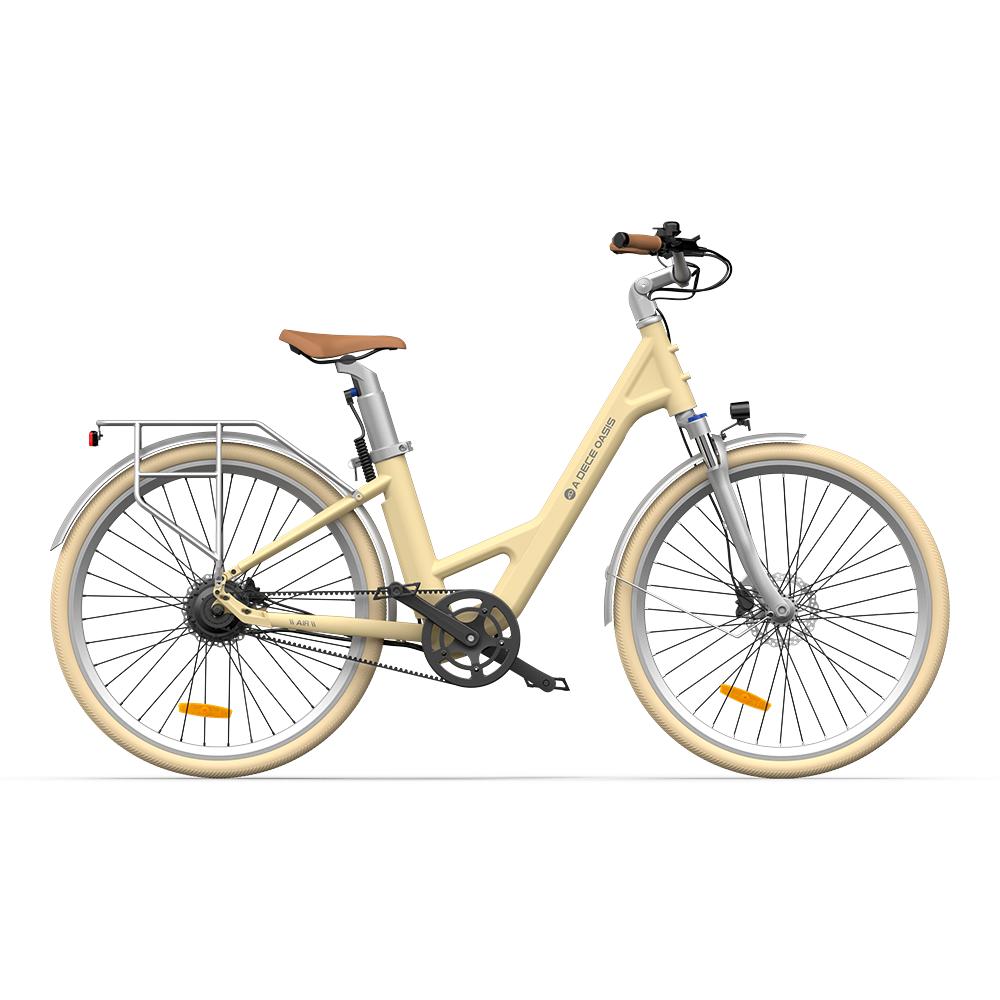
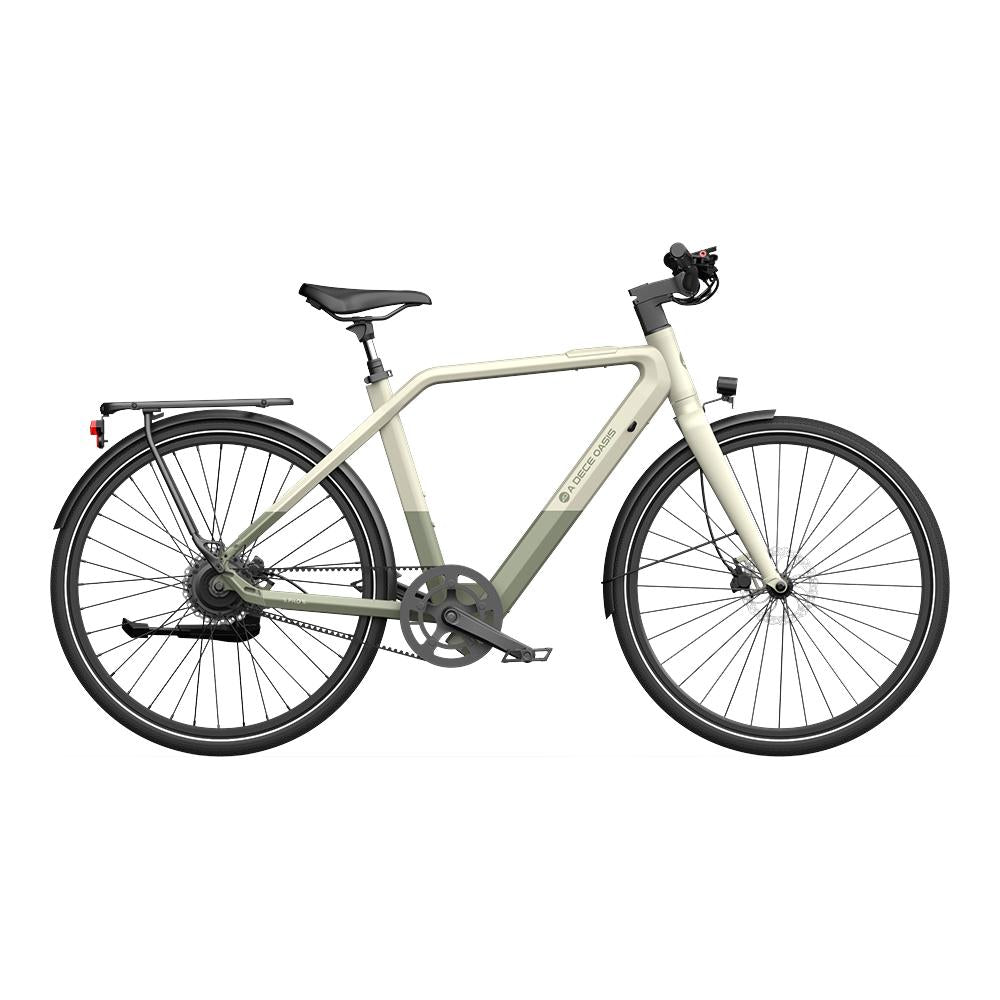
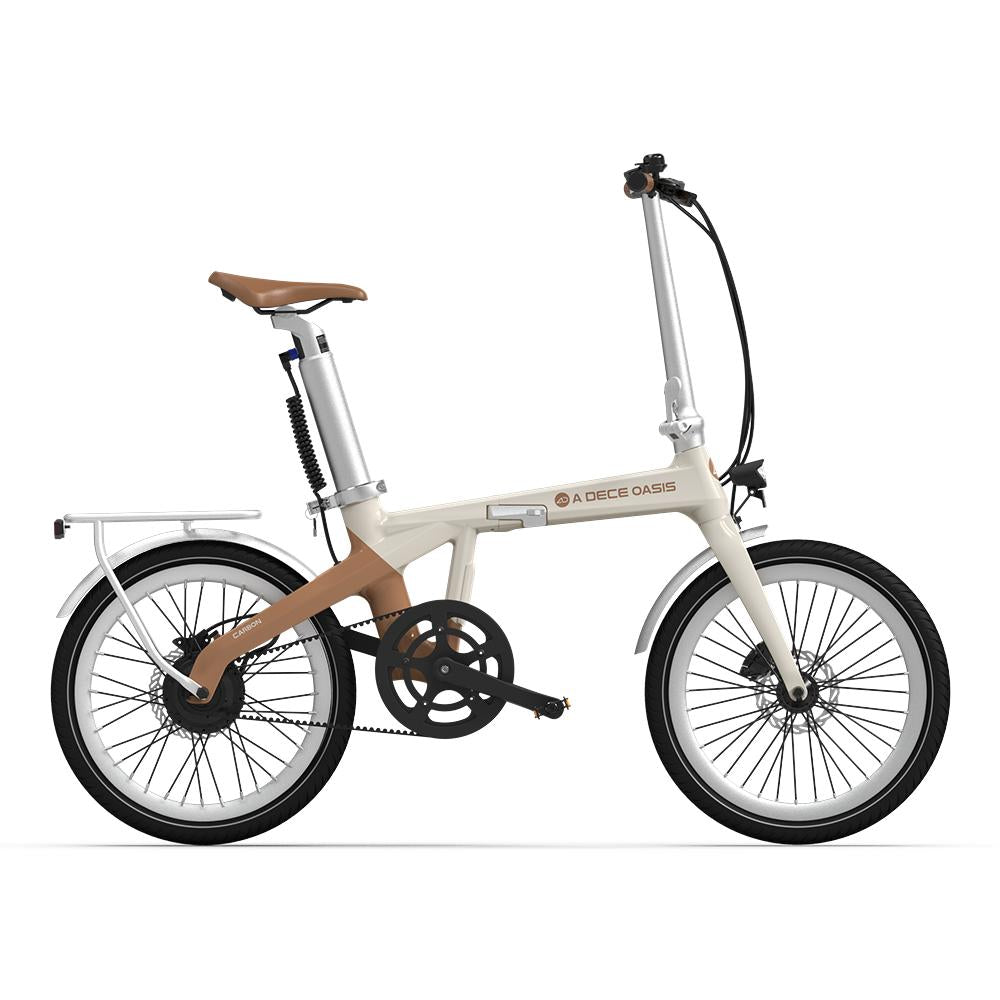
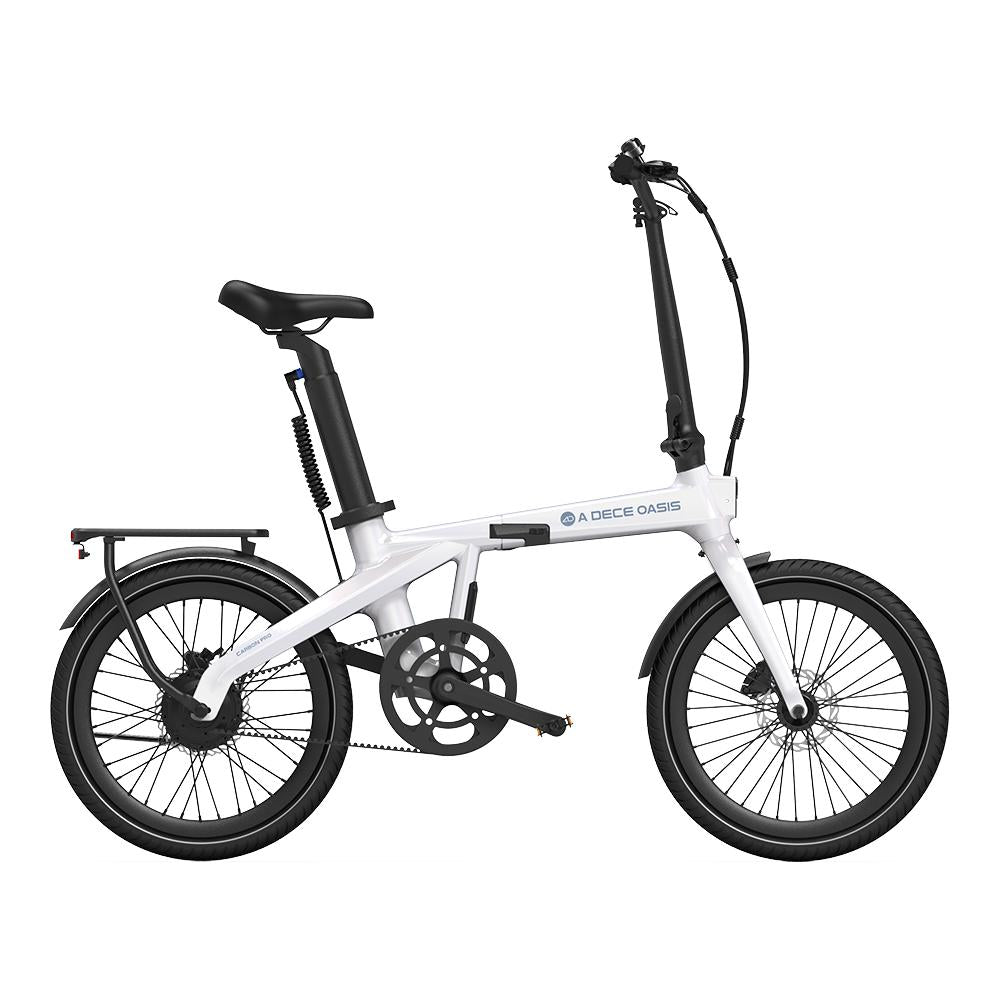
Urban-focused bikes like the ADO Air 30 Ultra also reflect the growing trend toward combining lightweight design with practical smart functionality suited for modern European city riding.
For European commuters, understanding local regulations is just as important as choosing the right e-bike for daily urban use.

Subscribe for current offers, exclusive deals and news
Il tuo carrello è attualmente vuoto.
Inizia a fare acquisti