Keep Your E-Bike Ready for Winter
Learn how to protect your e-bike in winter with practical advice on road salt, cleaning, brakes, tyres, battery care and storage.






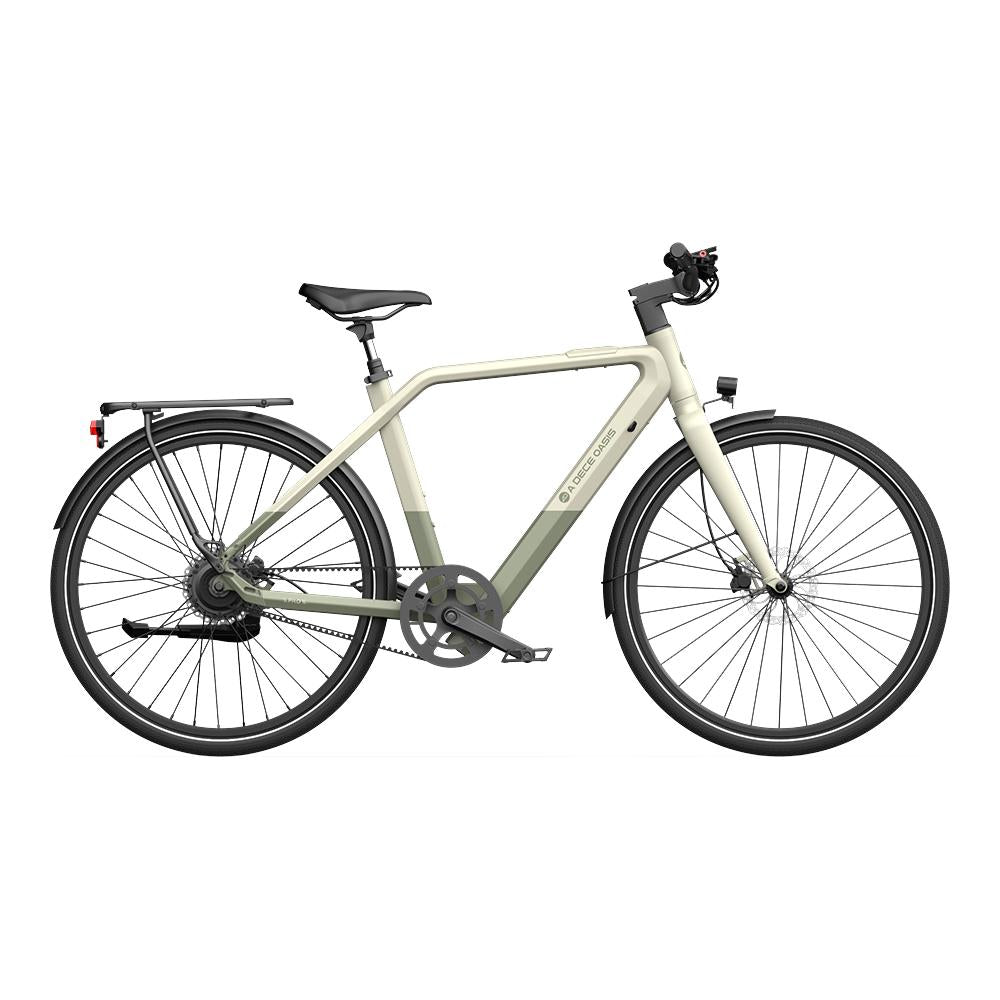

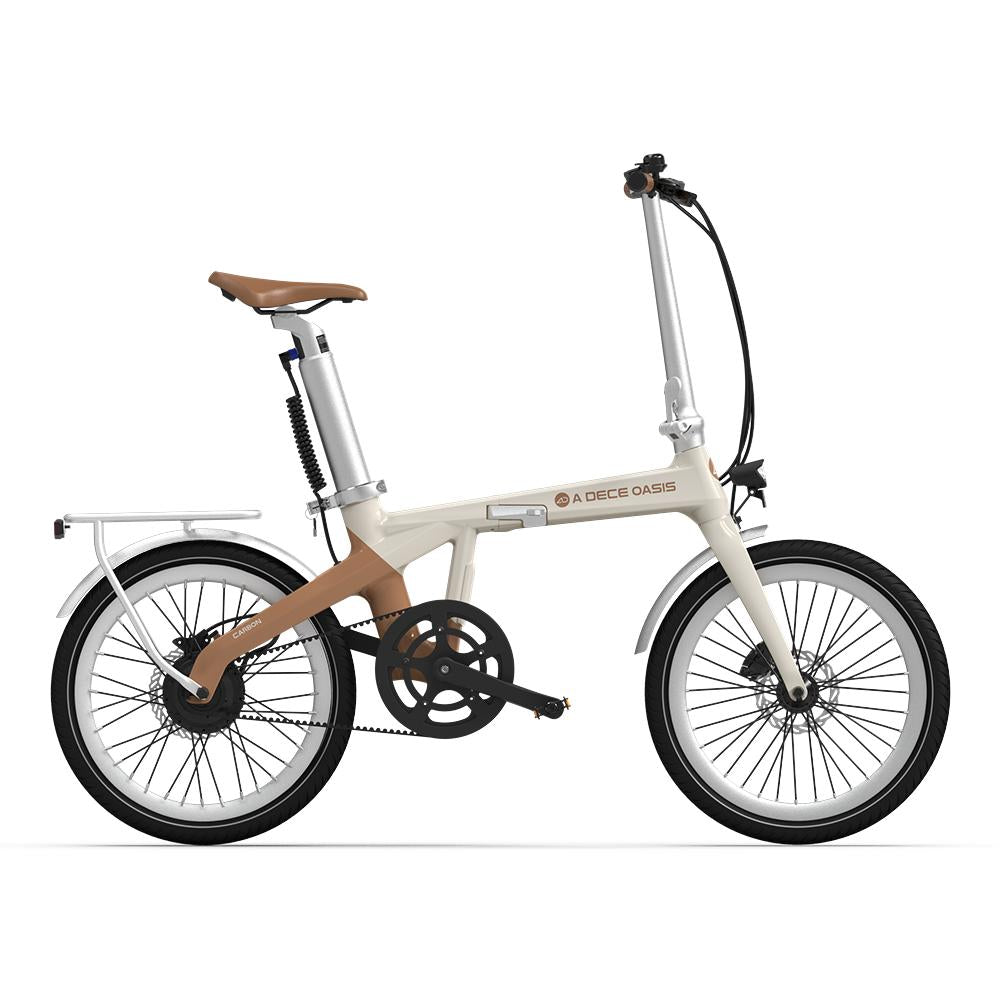

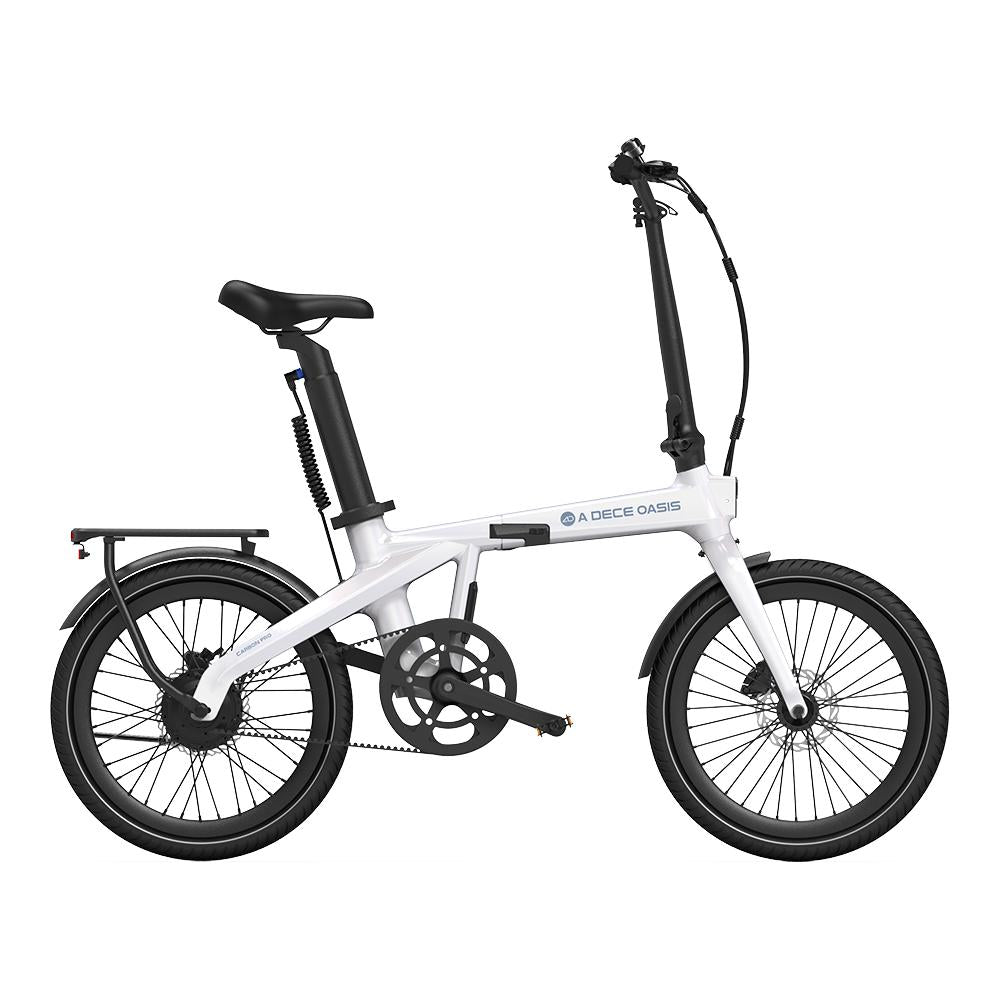


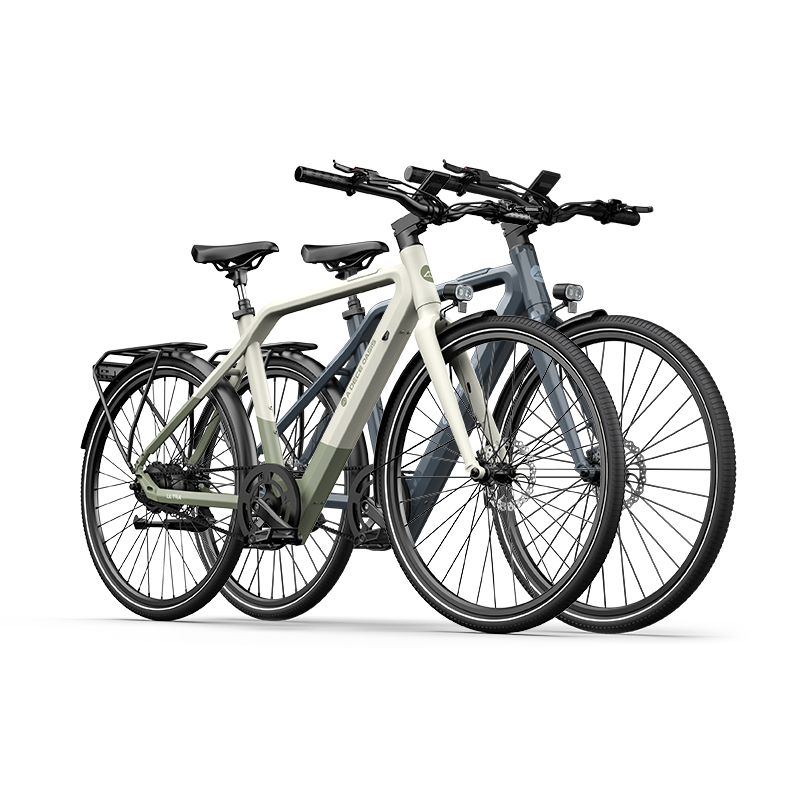


Learn how to protect your e-bike in winter with practical advice on road salt, cleaning, brakes, tyres, battery care and storage.
As temperatures fall across Europe, e-bikes face more than just colder weather. Wet roads, road salt, mud, grit and frequent temperature changes can all affect their condition. Whether you ride a folding electric bike for your daily commute or use an e-bike for weekend journeys, a few practical winter care habits can help prevent unnecessary wear and keep your bike ready for the next ride.
Road salt helps prevent icy roads, but the residue left behind can contribute to corrosion when it accumulates on exposed metal components. Combined with water and road grit, it can also accelerate wear around moving parts.
After riding on treated roads:
Wipe down the frame, wheels and other exposed surfaces.
Pay attention to the chain, cassette, gears and bolts.
Use a soft brush or sponge to remove stubborn mud and dirt.
Dry the bike with a clean cloth, especially around joints and hard-to-reach areas.
You do not need a full wash after every short journey. However, removing visible salt and grime regularly is an important part of winter e-bike maintenance.
An e-bike needs careful cleaning because water can cause problems if it is forced into sensitive areas.
Avoid pressure washers and steam cleaners. Instead, use a damp cloth, soft brush and bicycle-specific cleaning product or mild soapy water. Follow the manufacturer's instructions before cleaning around the motor, battery mount and electrical connections.
If the battery is removable, take it off before cleaning where the manufacturer recommends this. Keep electrical contacts dry and check that the battery is correctly fitted before riding again.
For chain-driven models, apply suitable lubricant after cleaning and drying. Use only a small amount and keep it away from brake discs and pads. Belt-drive bikes do not need chain lubrication, but their belts and surrounding components should still be kept clean.
Winter roads can be unpredictable. Wet leaves, loose gravel, mud and standing water may reduce grip and make stopping less predictable.
Before regular winter riding:
Check brake pads for wear and make sure both brakes respond properly.
Look for cuts, embedded debris or visible damage on tyres.
Check tyre pressure against the manufacturer's recommended range.
Test your lights and reflectors, particularly before commuting in darker conditions.
Do not assume that brakes are working normally just because they felt fine on your last dry-weather ride. If braking performance changes, have the system inspected before continuing to ride.
Cold weather can temporarily reduce lithium-ion battery performance and available riding range. This does not mean an e-bike battery is unsuitable for winter use, but it does require sensible handling.
If your bike has a removable battery, bring it indoors after riding in very cold conditions where the manufacturer recommends this. Before charging, allow a cold battery to reach the permitted charging temperature. Never charge a battery outside its specified temperature range.
For longer journeys, allow extra range in your plans rather than relying on summer riding estimates. A battery cover may also help reduce exposure to cold, provided it is compatible with the battery.

Whenever possible, park your e-bike in a dry, sheltered place rather than leaving it exposed to rain and freezing conditions for extended periods.
After a wet journey, dry the bike before covering it. Avoid wrapping a damp bike in a way that traps moisture around the frame and electrical components.
If you plan to stop riding for several weeks or months, follow your battery manufacturer's storage instructions. Recommended charge levels and storage conditions vary between battery systems, so check the relevant manual rather than applying a universal rule.
Use this checklist after winter rides to help keep your e-bike clean, safe and ready for the next journey.
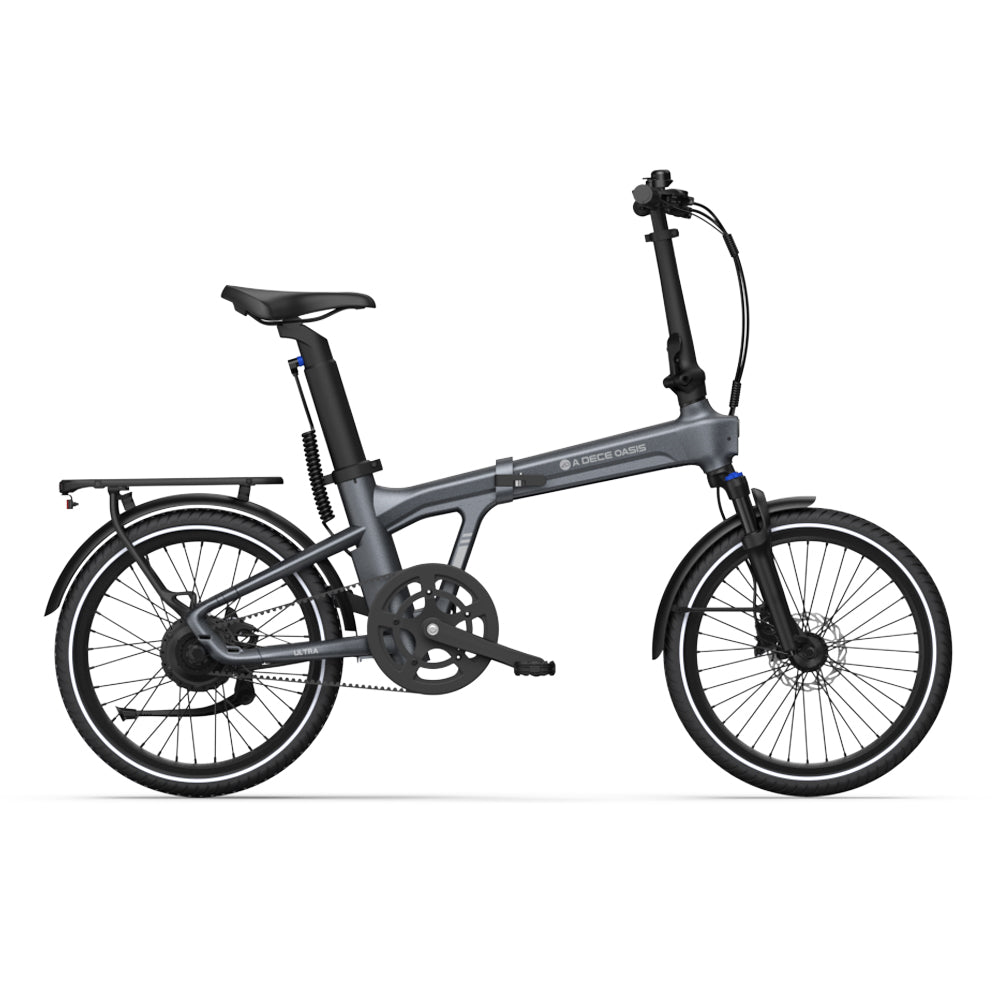
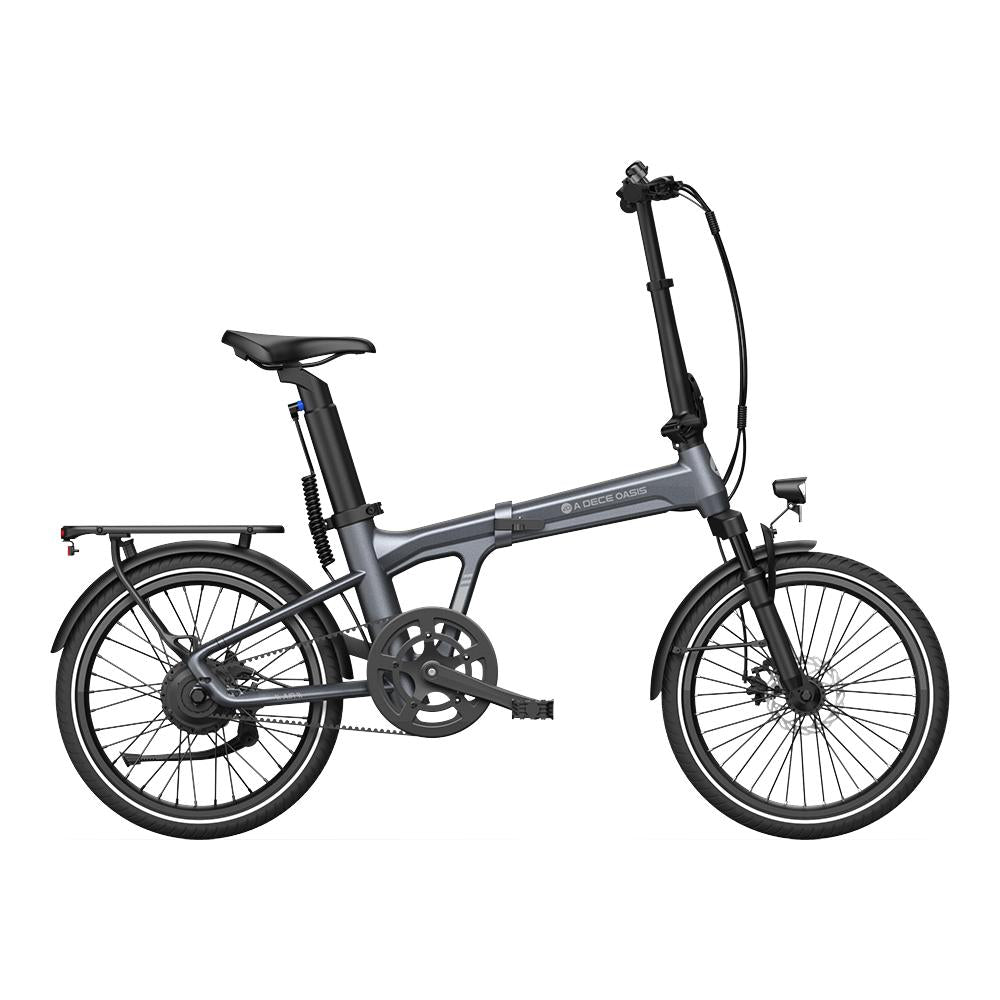
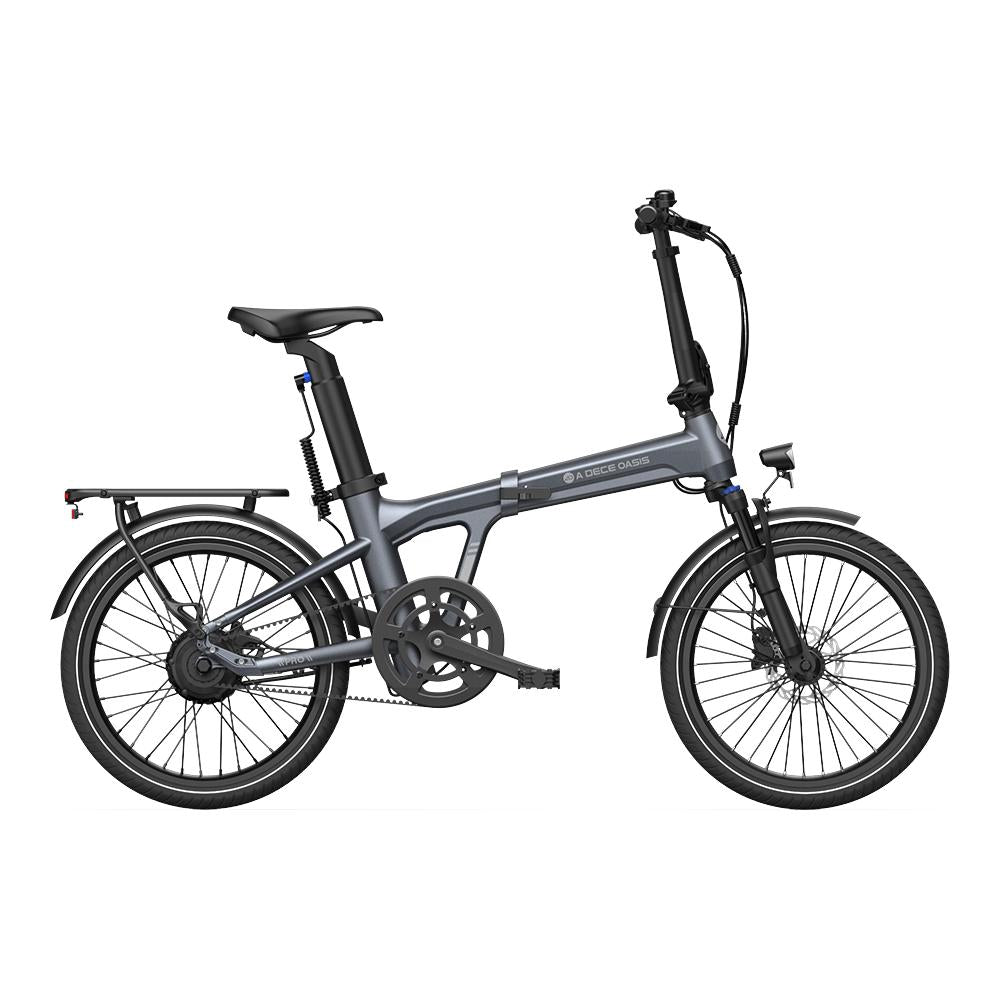
The ADO Air 20 Ultra is designed for practical everyday urban riding. With an IPX6 waterproof rating and an IPX7-rated display, it offers added protection against water exposure during wet-weather commutes. Its carbon belt drive requires less routine maintenance than a traditional chain, while TEKTRO hydraulic disc brakes, integrated lights and reflective tyres add everyday practicality. The dual-sided torque sensor and BAFANG H730 automatic 3-speed system make riding smoother and easier.
Even with its water-resistant design, regular cleaning and proper battery care remain important during colder months.
Winter riding does not have to mean putting your e-bike away. Regularly removing road salt, cleaning it with the right methods, checking brakes and tyres, and handling the battery carefully can help reduce seasonal wear. A few minutes of attention after a wet ride can make a real difference over the colder months.
Ihr Warenkorb ist derzeit leer.
Beginnen Sie mit dem Einkaufen