











Coastal E-Bike Riding in Europe
A guide to coastal e-bike riding in Europe, covering wind conditions, terrain differences, and practical riding considerations across Mediterranean and North Sea routes.

A guide to coastal e-bike riding in Europe, covering wind conditions, terrain differences, and practical riding considerations across Mediterranean and North Sea routes.
Coastal cycling in Europe offers a unique combination of scenic views, variable wind conditions, and diverse terrain. From the sunny Mediterranean coast to the windy North Sea routes, coastal e-bike riding is both a recreational experience and a practical form of mobility.
For e-bike riders, coastal environments place higher demands on stability, power delivery, and battery efficiency.
Europe’s two main coastal regions — the Mediterranean and the North Sea — offer very different riding experiences.
In these environments, consistent power assistance and stable handling become especially important.

Wind is the most significant challenge in coastal cycling.
Key impacts include:
As a result, riders often consider:
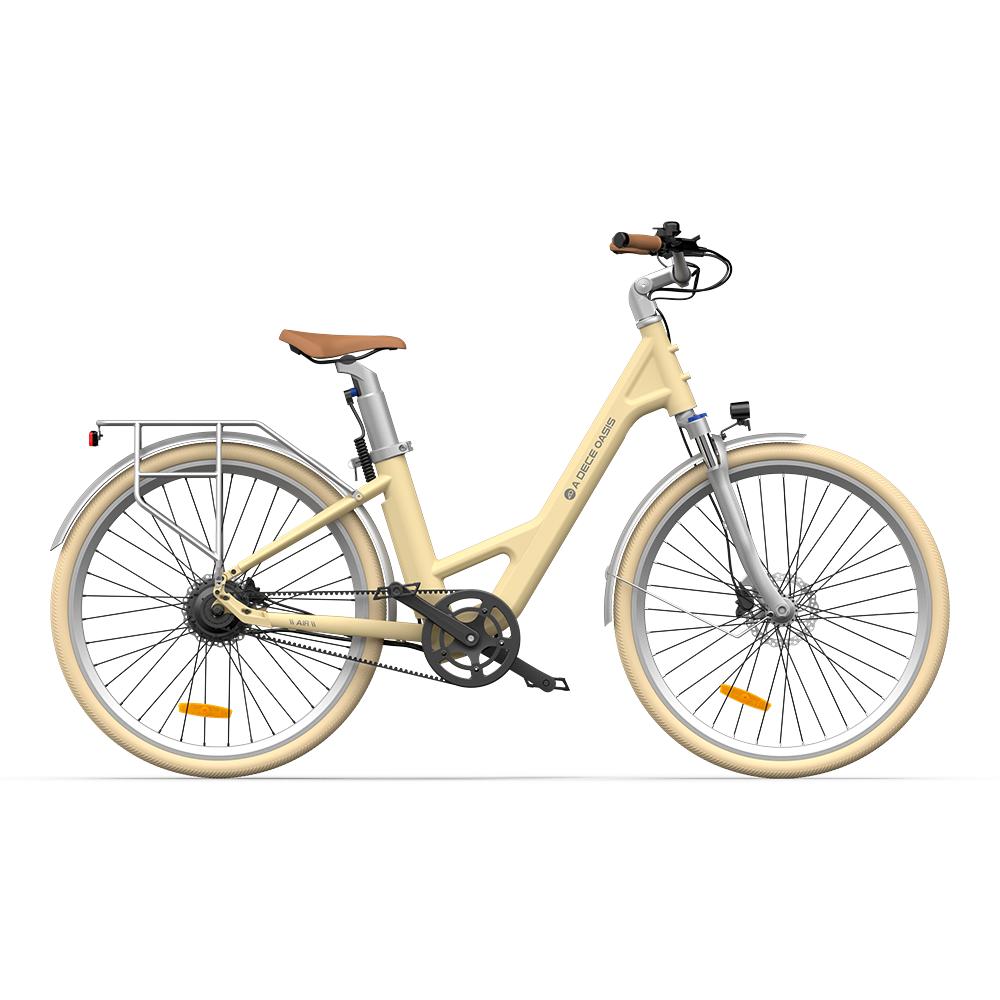
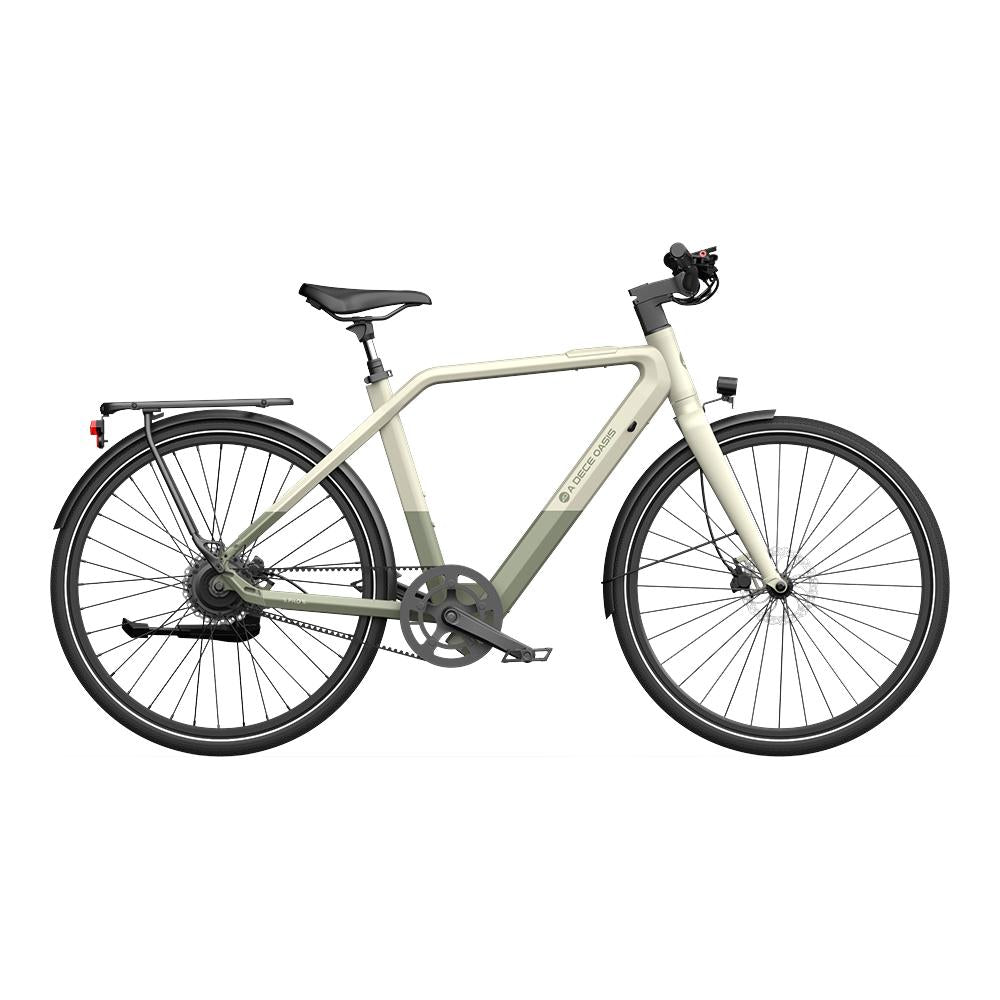
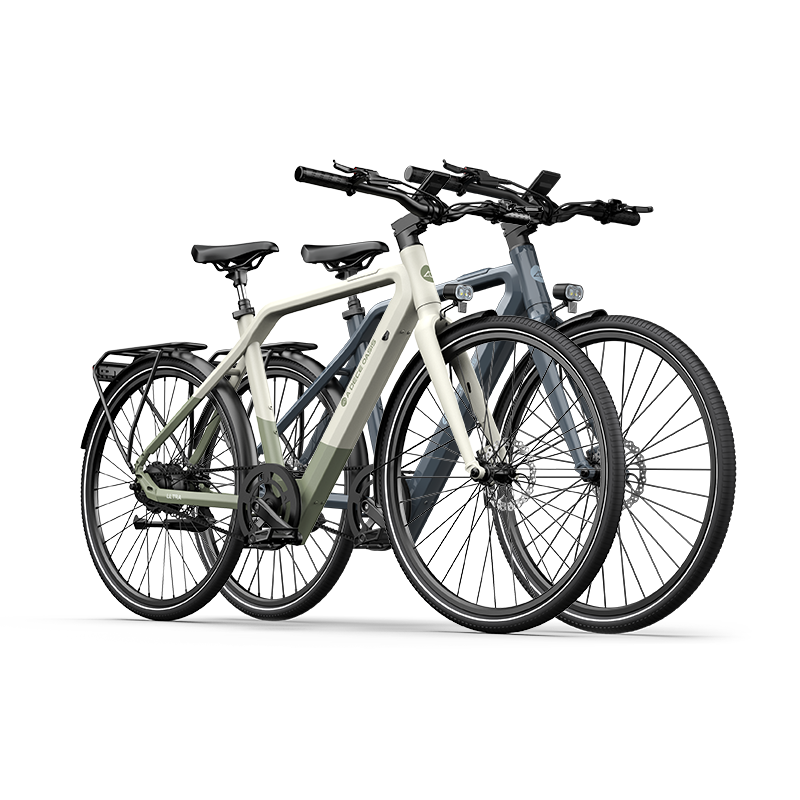
Models like the ADO Air 28 Ultra urban all-rounder e-bike are designed with urban versatility in mind, offering balanced stability and adaptability for changing coastal wind conditions.

European coastal routes are far from uniform:
In these conditions, e-bike assistance significantly reduces climbing effort and improves overall ride efficiency.
For long coastal rides, consistent support often matters more than top speed.

When riding along European coasts, riders should consider:
In markets such as Germany, riders often combine city and suburban commuting needs, which is why electric bike germany demand continues to grow for versatile urban e-bike solutions.
In coastal environments, an ADO ebike typically focuses on balanced practicality and durability rather than extreme performance.

Subscribe for current offers, exclusive deals and news
Your cart is currently empty.
Start Shopping